
Once we have pinpointed the leak with detection, the next decision is how to repair it. Some leaks call for a quick, targeted fix. Others are a signal that the pipe, or the whole system, is near the end of its life and a more durable solution makes sense. Below are the five methods we use, when each one is the right call, and the trade-offs in cost and disruption.
1. Spot repair
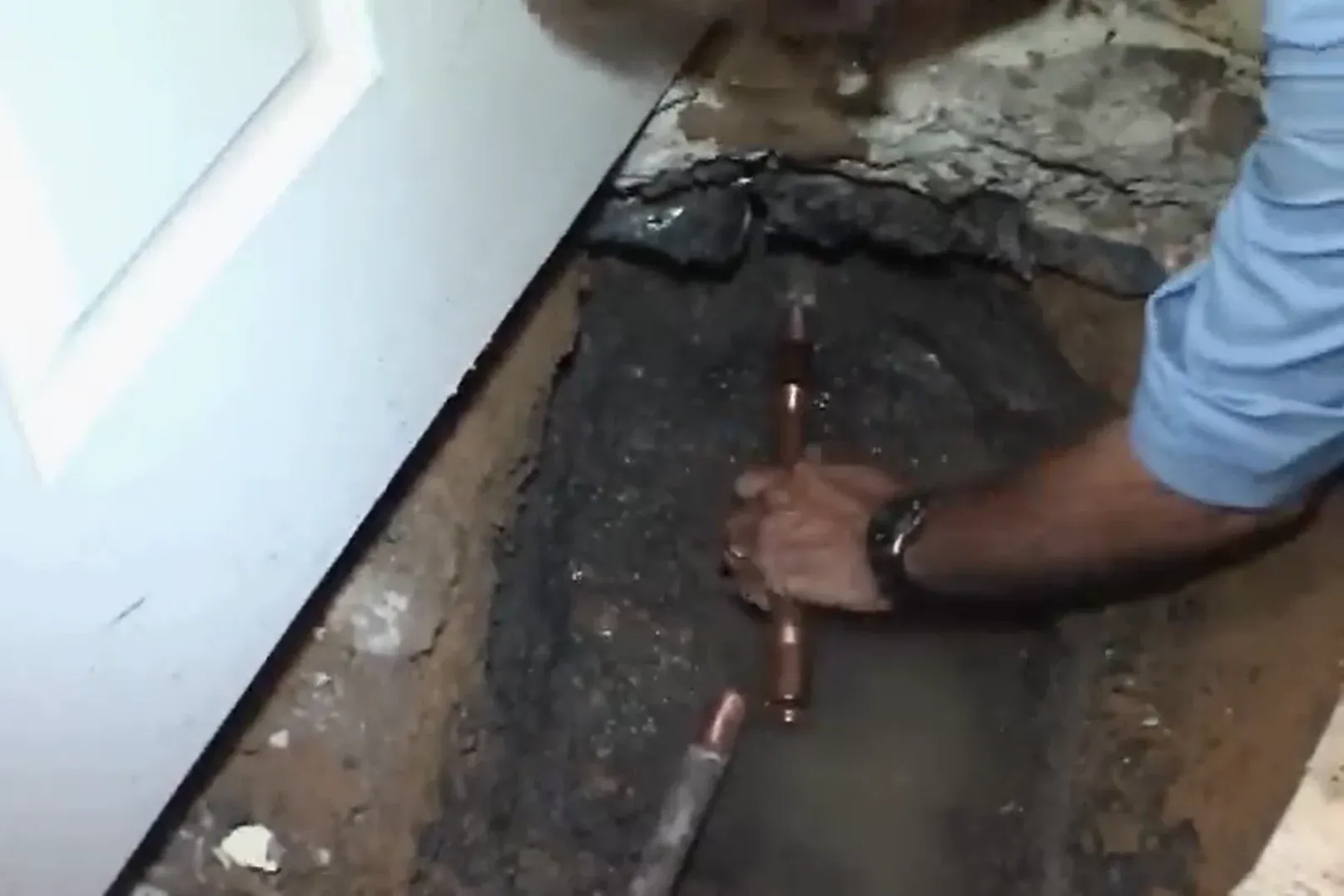
A spot repair means accessing the single failed section of pipe and replacing it. When detection shows one isolated leak in a pipe that is otherwise in good shape, this is the most efficient and affordable fix. We open the smallest possible area of the slab, replace the bad section, pressure-test it, and close up. It is the go-to method for a first leak in sound piping.
Best for: a single leak in copper that still has life left. Cost: lowest. Disruption: low.
2. Pipe reroute (line bypass)
Instead of repairing the pipe under the slab, a reroute abandons the failed line and runs a new one around it, typically through walls or the attic. Because the new line avoids the slab entirely, there is little or no concrete to break. A reroute is a strong choice when the leak is hard to reach, or when you want to avoid opening a finished floor.
Best for: hard-to-reach leaks, or avoiding floor demolition. Cost: moderate. Disruption: moderate, mostly wall access.
3. Epoxy pipe lining
Epoxy lining restores the pipe from the inside. An epoxy coating is applied through the existing line to seal and reinforce it, creating a new surface within the old pipe. As a trenchless method, it can fix a leak without jackhammering your floor. Whether it is suitable depends on the pipe's diameter, condition and layout.
Best for: suitable pipes where avoiding demolition is the priority. Cost: low to moderate. Disruption: low.
4. Whole-home repipe (PEX)
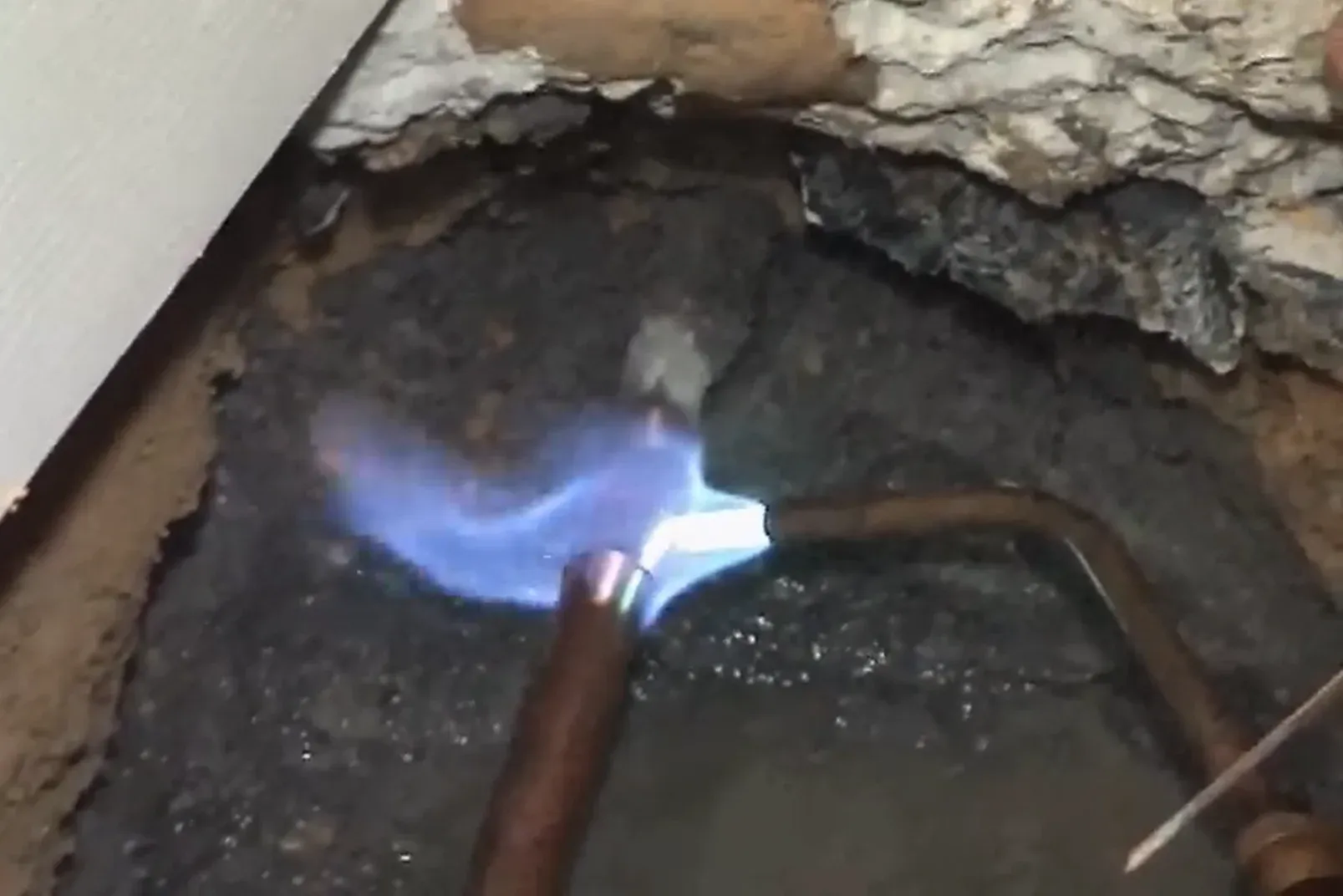
If your pipes are old, corroded, or have already leaked more than once, repairing a single spot may just postpone the next failure. A repipe replaces your water lines more comprehensively, usually with modern PEX routed through walls and the attic. It costs more up front, but it ends the cycle of repeat repairs and comes with the longest peace of mind. See repair vs repipe to decide if this is your situation.
Best for: aging plumbing with repeat leaks. Cost: highest. Disruption: higher, but far less than tearing up the whole slab.
5. Trenchless / no-dig repair
Trenchless is a category rather than a single technique: it covers the reroute and epoxy lining methods above, which share one goal, fixing the leak with minimal or no demolition of your concrete and flooring. For many Prescott homeowners, the fear of a torn-up floor is the biggest worry, and trenchless options are often the answer. We will always tell you honestly whether a no-dig method is possible for your specific leak.
Best for: homeowners prioritizing minimal disruption. Cost: varies. Disruption: lowest.
Which method is right for your home?
| Method | Cost | Disruption | Longevity | Best for |
|---|---|---|---|---|
| Spot repair | Lowest | Low | Good (sound pipe) | One isolated leak |
| Epoxy lining | Low-moderate | Low | Good | No-dig restoration |
| Pipe reroute | Moderate | Moderate | Very good | Hard-to-reach leaks |
| Whole-home repipe | Highest | Higher | Longest | Aging, failing pipes |
The honest answer to "what is the most effective way to fix a slab leak" is: the method matched to your pipe. We assess the condition during detection and recommend the least invasive repair that will actually last, never the most expensive one by default.
Get a recommendation for your Prescott home
Call (928) 470-4470 for detection and an honest recommendation. We will show you the options, explain the trade-offs, and put the price in writing before any work begins.